If you’ve been around the gacha block more than once, you’ve probably heard the same tired comparison: “Wuthering Waves is just Tower of Fantasy with better hair.” Look, I get it. Both games jumped into the open-world action RPG pool right after Genshin Impact cannonballed in. Both have flashy combat, plenty of grind, and a gacha system that can make your wallet sob. But lumping them together is like saying a rollercoaster and a rusty bike ride are basically the same thing because they both move forward. It’s 2026 now, and after sinking more hours than I care to admit into both, I’m here to tell you why Wuthering Waves isn’t just better — it’s a whole different beast, and I’m absolutely chuffed about it.
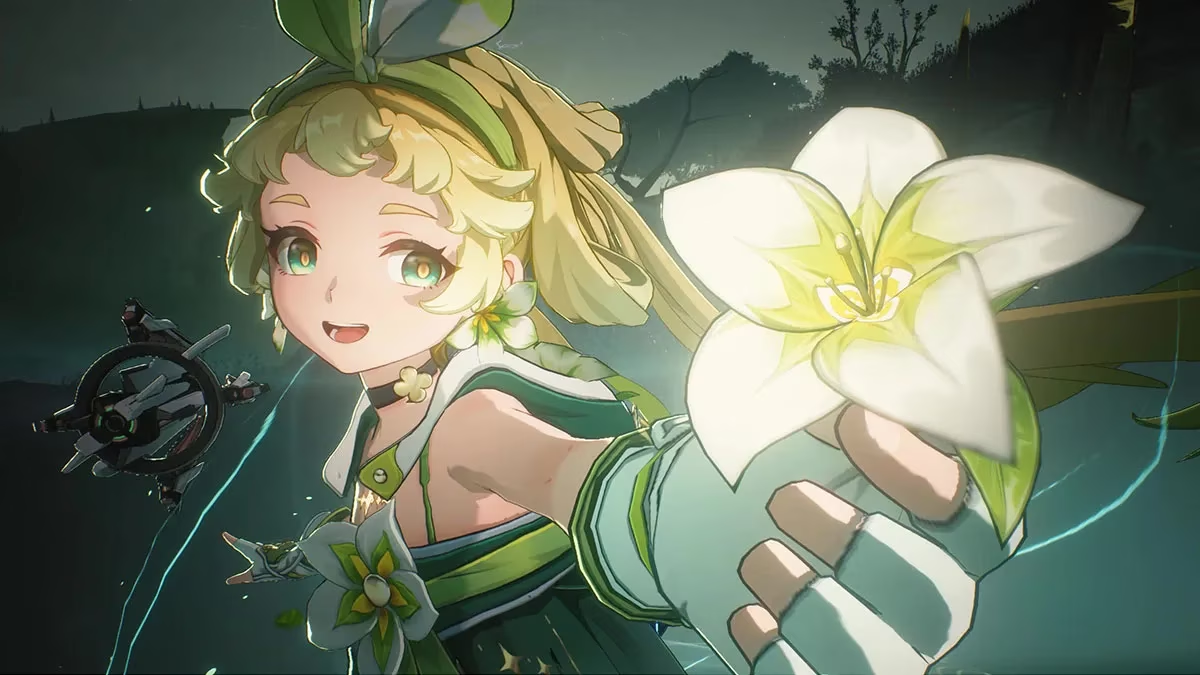
Let’s talk about the elephant in the room — or should I say the MMO-shaped gorilla that Tower of Fantasy tried to wrestle. Tower of Fantasy marketed itself as a shared-world experience, an MMO-lite where you’d battle world bosses with dozens of other players. Sounds epic, right? In practice, it was a numbers game where a few whales could melt a boss while the rest of us free-to-play peasants stood around like extras in a superhero movie, our damage so puny we might as well have been throwing confetti. If you didn’t swipe your credit card with reckless abandon, you were essentially window dressing in group content. The real kicker? Leaderboards and end-of-match screens turned every encounter into a wallet-measuring contest. Nothing says “fun” like watching three players with suspiciously maxed-out gear triple-team a raid boss while the rest of us pretend we’re contributing.
Now, flip the coin to Wuthering Waves. This game is unapologetically single-player-first. Sure, co-op exists, but you never need another human (or their overleveled credit-card-powered avatar) to clear anything. I could beat every boss, every challenge, every scrap of content with the time I invested and the skill I built — no spending required. That’s a massive W in my book. The devs at Kuro Games never had to balance around 20 players ganging up on one poor world boss, so the difficulty feels fair, tight, and, dare I say, soulful.

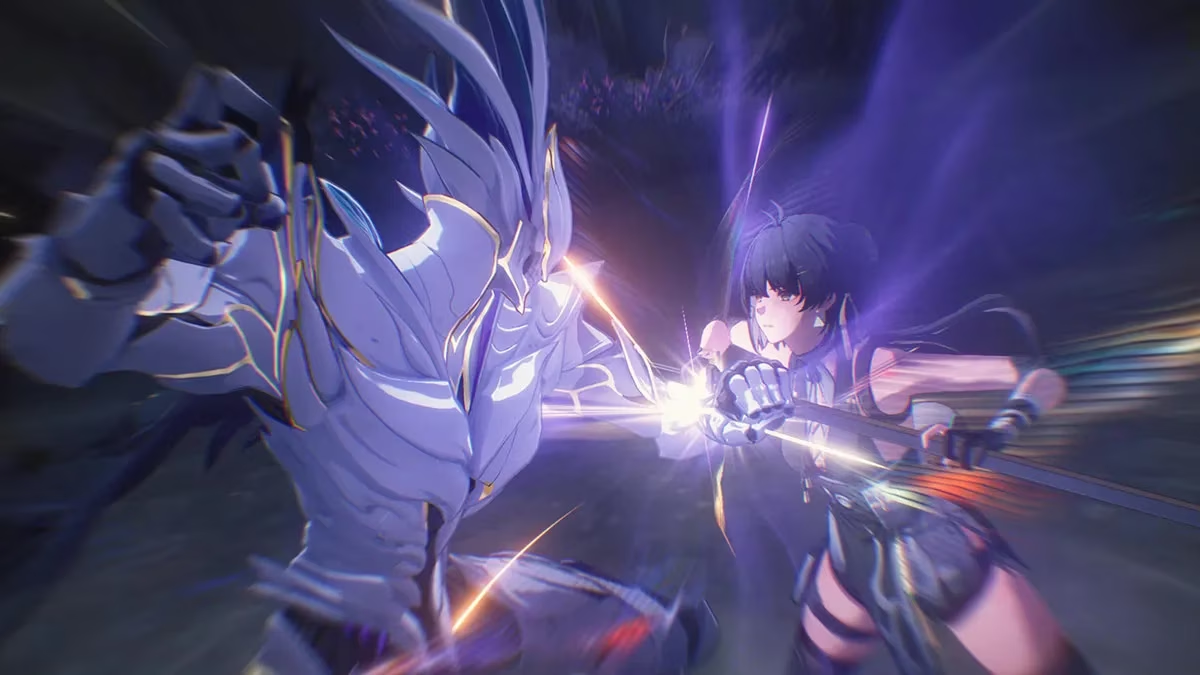
And that brings me to the combat, which is honestly the crown jewel of Wuthering Waves. If Tower of Fantasy and Genshin are about stat sticks, Wuthering Waves is about a dance. Bosses don’t just get bigger health bars as they level up — they learn new moves, new mechanics, and new ways to humble you if you’re just face-tanking everything. Parrying has tight windows that make you feel like an absolute legend when you pull it off. Dodging isn’t just a “get out of jail free” card; it can position you for a counter-attack that feels crisp as a freshly opened can of soda. The Intro/Outro skill system rewards smart team rotations with actual combat flow changes, not just number buffs. Action canceling? That’s where the sweaty joy lives. You can string together combos that are genuinely different based on your input timing, which means two players with the same team can look completely different in a fight. It’s execution over spreadsheet, and my reflexes have never been happier.
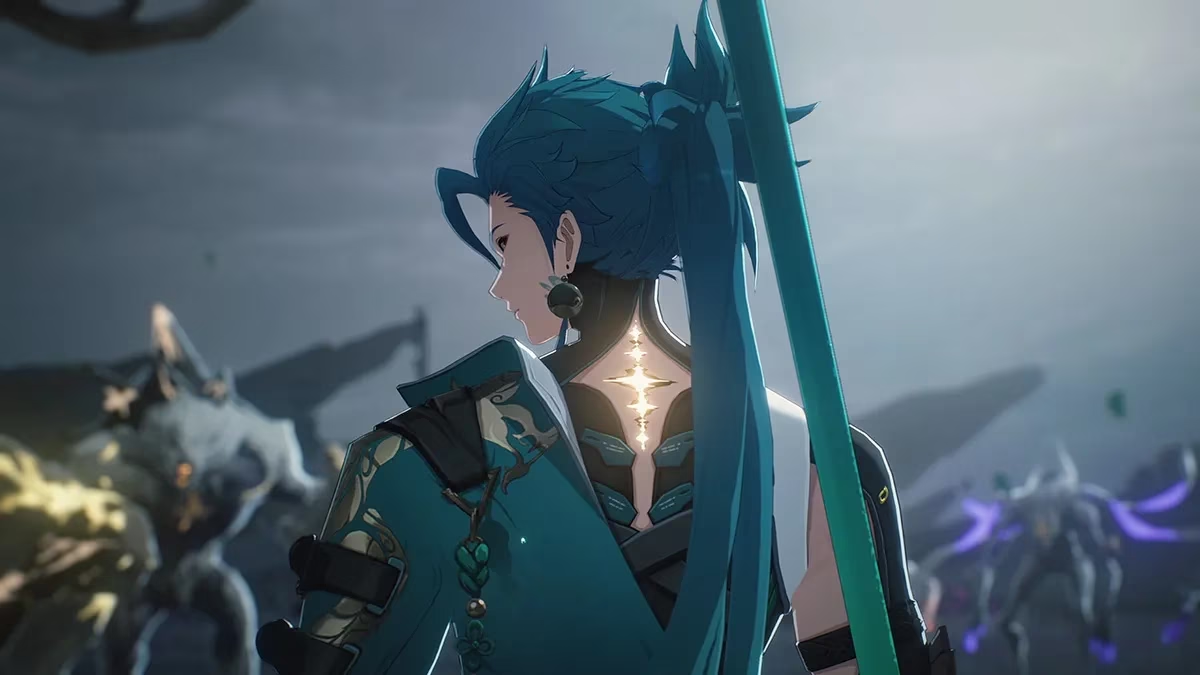
Now, I can’t skip the Echo system because it’s low-key genius. Imagine Genshin’s artifacts but without the soul-crushing RNG treadmill — and they actually change how you play in combat. You farm Echoes not by burning stamina in a domain that hates you, but just by wandering the beautiful, post-apocalyptic world bopping enemies on the head. Target farming exists when you need a specific set, but the process costs you precisely zero real-world money or even in-game-stamina currency if you’re just wandering. The builds you can make are deep and satisfying, letting you tailor your playstyle without selling a kidney.
Let’s also give a round of applause for the quality-of-life features that make adulting gamers like me weep with joy. Sprinting doesn’t drain character stamina. Wall running? Cheff’s kiss. No more climbing for an eternity only to run out of breath two inches from the top. Materials teleport straight into your inventory, none of that “run over there and pick it up while a slime interrupts you” nonsense. And the sitting animation? Oh, sweet heaven, an actual sitting and getting up animation exists, making Tower of Fantasy’s lack of one look like a crime against immersion. Small things, sure, but they add up faster than laundry on a busy week.
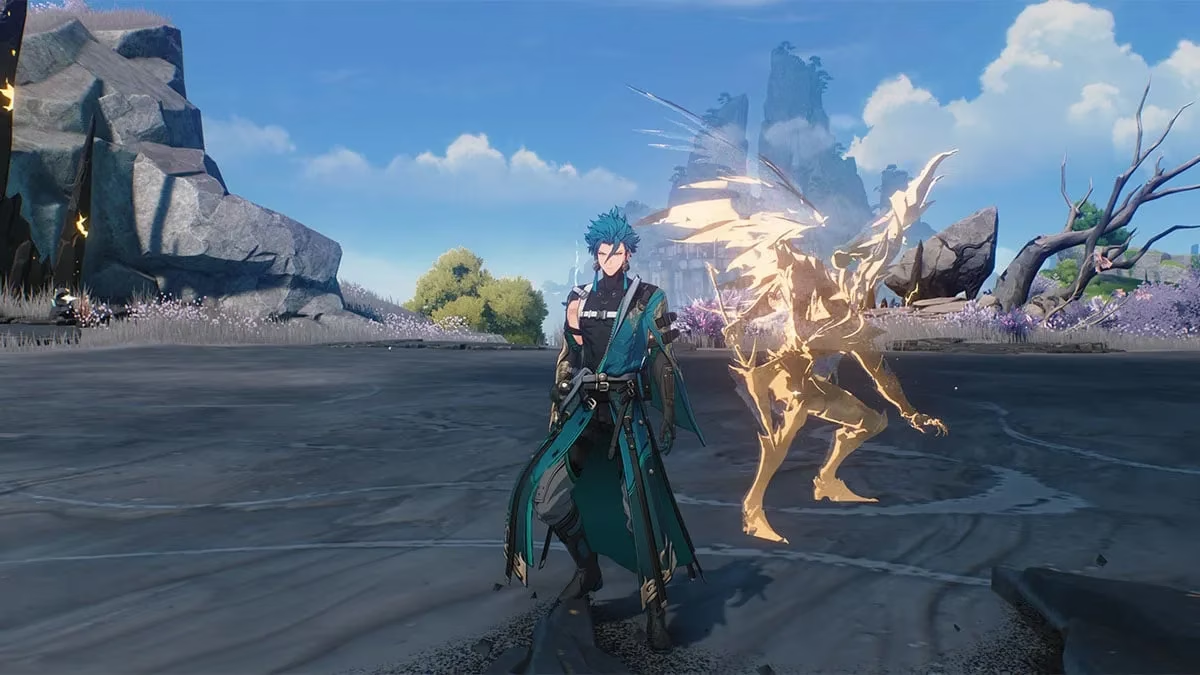
At the end of the day, Wuthering Waves took the promise Tower of Fantasy made years ago and actually delivered — a stylish, skill-driven open world where your effort matters more than your credit limit. The story and voice acting have had their hiccups, but Kuro Games has consistently polished things up, and I’m not expecting Fontaine-level storytelling every patch. What I am expecting is a game that respects my time, challenges my fingers, and lets me feel like a bona fide warrior without bleeding my bank account dry. So, no, Wuthering Waves isn’t Tower of Fantasy 2.0. It’s the glow-up we deserved, and I’m eating it up like a kid in a candy store 🍭.